
Gum Arabic Powder and Acacia Gum Powder: Food Industry Uses, Grades and Specification
A technical buyer's guide to spray-dried gum arabic powder and acacia gum powder — how it is made, how it differs from raw nodules, approved applications, and what to specify when purchasing.
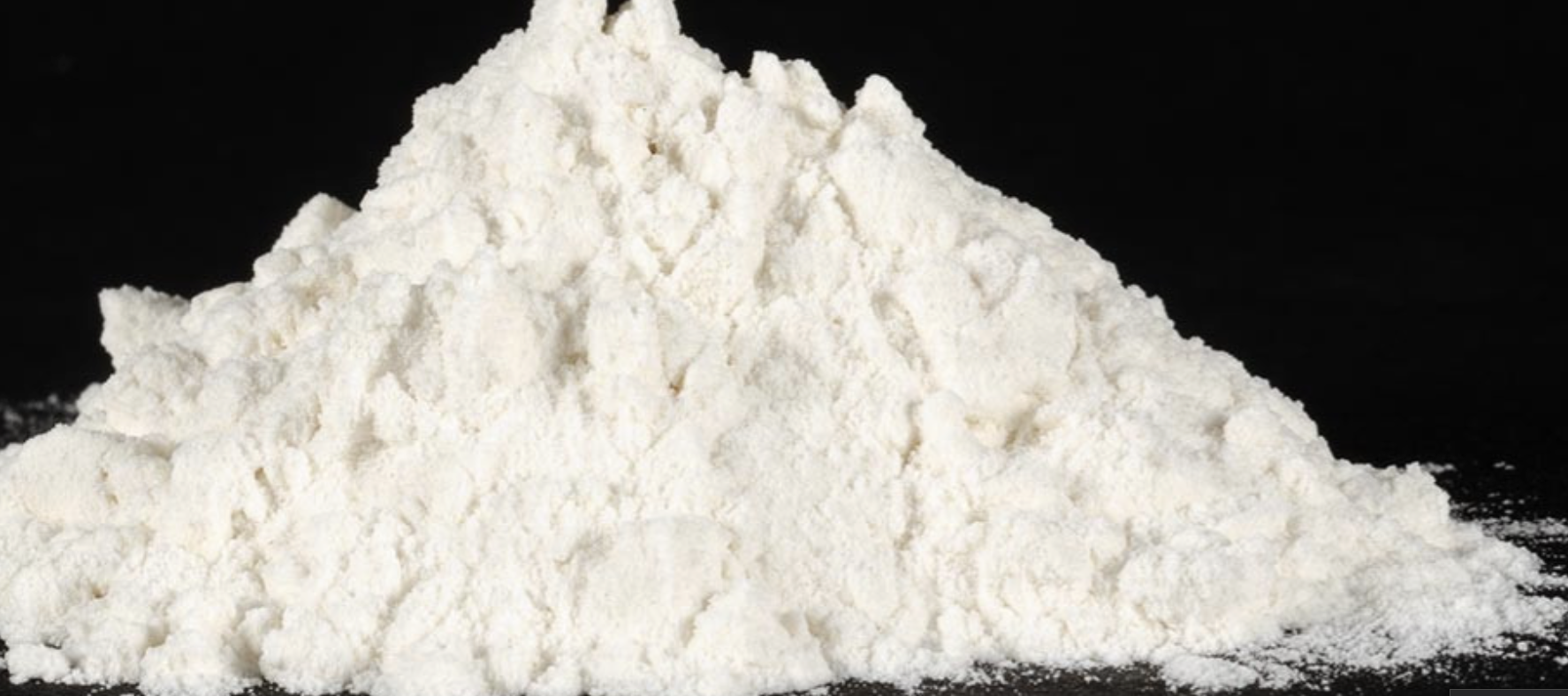
When food manufacturers specify “gum arabic” in a formulation, they are often specifying spray-dried powder rather than the raw amber nodules collected from Acacia trees across the Sahel. Understanding the differences between forms, the processing steps that create powder, and the technical performance implications is essential for any procurement or R&D team sourcing this ingredient.
From Tree Nodules to Powder: the Processing Chain
Raw gum arabic reaches port as either hand-picked clean (HPC) nodules or kibbled (mechanically fragmented) pieces. Both grades must be dissolved, clarified and dried before they become the free-flowing powder used in most industrial food applications.
Step 1: Dissolution and Clarification
Nodules or kibble are dissolved in water at 20–35 % solids concentration. The solution is held at 50–60 °C with gentle agitation. Insoluble bark fragments, sand and other impurities are removed by centrifugation and/or depth filtration through progressively finer media, typically down to 25 µm.
Activated carbon treatment is applied for colour-sensitive grades (particularly pharmaceutical or white confectionery uses) to reduce Hazen colour units.
Step 2: Pasteurisation
The clarified solution is pasteurised — typically at 72 °C for 15 seconds or equivalent — to meet the microbial specifications required by EU Regulation (EC) 231/2012 and food-grade certification requirements. This step also reduces viscosity slightly, which can be a disadvantage for some applications requiring high viscosity.
Step 3: Spray Drying
The clarified, pasteurised solution is atomised through a high-pressure nozzle or rotary atomiser into a hot-air drying chamber. Inlet air temperature is typically 170–200 °C; product exit temperature reaches 60–80 °C. The resulting particles are spherical, hollow spheres 50–200 µm in diameter, with a bulk density of 350–500 g/L.
The spray-drying step is critical for several functional parameters:
- Solubility: spray-dried powder dissolves in 5–15 minutes at 20 °C vs. 30–60 minutes for kibble.
- Moisture content: typically 4–8 %, below the 12 % maximum for nodule grades.
- Microbial counts: spray drying further reduces total aerobic count, typically achieving TVC ≤ 5,000 CFU/g.
Acacia Gum Powder vs. Gum Arabic Powder: Is There a Difference?
The short answer is no — they are the same product. The nomenclature shift reflects regulatory and marketing preferences:
- “Gum arabic” is the traditional name used in Anglo-American trade, the FAO/WHO JECFA monograph, and FDA GRAS designation.
- “Acacia gum” is the preferred term in EU labelling, used in Regulation (EC) 231/2012 and on ingredient lists, because it is considered more descriptive of the botanical source.
Both terms refer to the dried exudate from Acacia senegal and/or Acacia seyal, and both may appear on the ingredient label as E414.
Key Quality Parameters for Gum Arabic Powder
When specifying gum arabic powder for food use, the following parameters are standard on a Certificate of Analysis (CoA):
| Parameter | Specification (HPC senegal type) |
|---|---|
| Moisture | ≤ 8 % |
| Ash | ≤ 4 % |
| Acid-insoluble ash | ≤ 0.5 % |
| Viscosity (25 % solution, 25 °C) | 80–200 mPa·s |
| Optical rotation | –26° to –34° |
| Nitrogen (protein) | 0.27–0.39 % |
| Tannins | Absent |
| Total aerobic count | ≤ 5,000 CFU/g |
| Yeast & moulds | ≤ 100 CFU/g |
| Salmonella | Absent in 25 g |
| Lead | ≤ 2 mg/kg |
| Arsenic | ≤ 1 mg/kg |
| Pesticide residues | Per EU MRL schedule |
For Acacia seyal (talha) powder, viscosity will be higher (200–400 mPa·s at equivalent concentration) and colour typically Hazen 200–400 vs. Hazen 50–150 for senegal grade.
Food Industry Applications of Gum Arabic Powder
Confectionery: Panning and Coating
The single largest volume use of gum arabic powder in food manufacturing is in confectionery panning — the process of building up sugar or chocolate shells around centres (nuts, dried fruit, chocolate cores). The powder is dissolved to 40–50 % solids, applied in syrup form and allowed to dry between coats.
Key performance requirements:
- Low viscosity to allow thin, even coat application
- Rapid drying to enable fast cycle times
- Film integrity to prevent cracking when temperature fluctuates
- Good adhesion to fat-coated centres
At 40 % concentration, Acacia senegal HPC powder produces solutions around 130–180 mPa·s — ideal for the flow characteristics required in coating drums.
Beverage Emulsification: Citrus Oil and Flavour Oil Clouds
Gum arabic powder is the industry-standard carrier and emulsifier for beverage cloud emulsions. When a citrus-flavoured soft drink contains visible turbidity (cloudiness) or a stable flavour oil suspension, gum arabic is almost certainly responsible.
The technical mechanism: gum arabic’s arabinogalactan protein fraction adsorbs at the oil–water interface, sterically stabilising oil droplets against coalescence. The protein fraction of Acacia senegal (approximately 2 % by weight, but concentrated at the interface) provides superior emulsification compared to Acacia seyal.
Typical formulation: 15–25 g of spray-dried gum arabic per 100 g of citrus oil (3:1 to 5:1 gum:oil ratio), homogenised at 20–35 MPa to achieve a volume-weighted mean droplet size D[4,3] < 1 µm. The emulsion is then diluted to 1.0–1.5 % gum arabic in the finished beverage.
EU Regulation (EC) 1333/2008 permits gum arabic (E414) in non-alcoholic flavoured drinks at quantum satis (QS — no numerical limit).
Wine and Spirits Stabilisation
In winemaking, powdered gum arabic is added post-fining and post-filtration at 10–30 g/hL to:
- Improve mouthfeel and perceived body in wines low in glycerol
- Reduce tartrate crystal formation during cold stabilisation (though not fully substituting bentonite treatment)
- Protect colour anthocyanins from oxidation in red wines
The oenological grade of gum arabic powder must comply with the International Organisation of Vine and Wine (OIV) Resolution OENO 3/2009 — specifying minimum purity, absence of pesticide residues, and maximum heavy metal limits.
Encapsulation of Flavours and Oils
Gum arabic is a primary matrix material for spray-dried flavour encapsulation. The flavour oil is emulsified with a 40–50 % solids solution of gum arabic (often in combination with maltodextrin), then spray-dried to produce free-flowing powder particles that release their payload upon reconstitution.
Performance advantages over alternative encapsulation matrices (modified starch, whey protein):
- Better oxidative protection for polyunsaturated oils
- Higher surface oil content control
- Good flavour retention over 12–18 months shelf life at controlled humidity
Dietary Fibre Supplementation
Gum arabic powder is an approved dietary fibre source under EU Regulation 1924/2006. It is fermentable but non-viscous in the gastrointestinal tract, making it suitable for high-level inclusion (up to 10 g/serving) in functional foods without the textural changes associated with viscous fibres like pectin or beta-glucan.
Clinical data supports its prebiotic effect at 5–10 g/day. It is tasteless and odourless at typical use levels, making it easier to incorporate than inulin (bitter at high doses) or psyllium (viscosity impact).
Purchasing Considerations
Form: Powder vs. Kibble
Most industrial buyers specify powder for convenience — pre-dissolved, clarified, spray-dried to a consistent specification. However, kibble carries a 10–20 % price discount and is appropriate for buyers with in-house dissolution and filtration capability.
Senegal vs. Seyal Grade
For emulsification and panning: specify Acacia senegal. For applications where colour and emulsification are secondary (printing, textile sizing, pharmaceutical binding): Acacia seyal is cost-effective.
Organic Certification
EU-organic certified gum arabic powder is available from processors in Senegal using certified origin material. Expect a 25–40 % premium over conventional and longer lead times (typically 8–12 weeks from Dakar to European port).
Minimum Order Quantities
Spray-dried gum arabic powder for food use is typically sold in:
- 25-kg multiwall paper bags (pharmaceutical / confectionery use)
- 500-kg or 1,000-kg bulk bags (FIBC / jumbo bags) for beverage and bakery volume users
MOQ from CarverAgri origin stocks is generally 1 MT (40 × 25 kg bags) for standard grades, with sample packs available on request.
Consult our Gum Arabic product page for current availability by grade, or contact our sourcing desk with your specification and volume — we will respond within one business day.
Conclusion
Gum arabic powder and acacia gum powder are the same E414 ingredient in its most workable industrial form. Spray drying transforms raw resin from remote Sahelian farmland into a precision food ingredient with defined solubility, viscosity, microbial and residue specifications. For buyers, the key decisions are species type (senegal vs. seyal), certification requirements and volume — all of which determine both price and lead time. Getting these decisions right at the specification stage saves time and cost downstream.